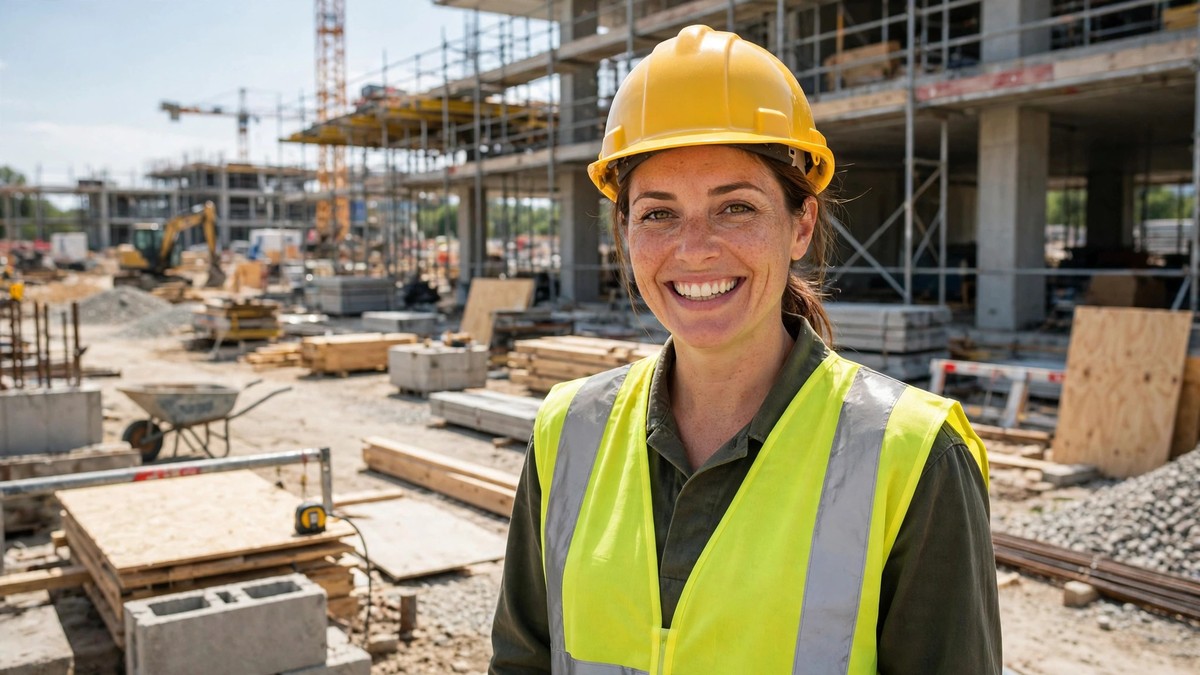
Slovakia has become an attractive destination for foreign construction workers who want to work legally in the European Union. The country is building new housing, roads, factories, warehouses and infrastructure, and its construction sector has faced a shortage of workers for several years. Local workers are not always available for physically demanding site work, especially in Bratislava, Kosice, Zilina, Nitra and Trnava, where large projects are underway. That is why construction companies and subcontractors in Slovakia regularly look for workers from outside the EU, and why some employers are willing to support a work visa for the right candidate. Sponsorship is never guaranteed and it always depends on the employer and on the applicant meeting the legal requirements, but construction is one of the sectors in Slovakia where sponsorship is most often offered.
This guide explains what construction worker jobs in Slovakia involve in 2026, what duties and skills employers expect, what pay and benefits look like in approximate terms, how the visa process usually works, and how to apply in a way that protects you and improves your chances.
Why Slovakia Needs Construction Workers
Slovakia is a small country with a growing economy, a strong automotive industry, and a strategic location between the Czech Republic, Austria, Poland, Hungary and Ukraine. New factories, logistics centres, housing estates and road projects have increased demand for construction labour. At the same time, many Slovak workers have moved to work in the Czech Republic, Germany or Austria, where wages are higher, which leaves gaps on Slovak building sites.
Construction work in Slovakia covers a wide range of projects. Residential buildings, apartment blocks, offices, shopping centres, hotels, industrial halls, bridges and road works all need workers. Large projects in Bratislava and Kosice often run for months or years and need a stable workforce. Smaller companies that renovate houses, build family homes, or carry out interior work also hire foreign workers, often through agencies.
Employers value construction workers who are physically fit, reliable and able to work outdoors in all weather. Experience in a trade such as bricklaying, carpentry, plastering, tiling, painting, steel fixing or general labouring is a strong advantage. Even without a specific trade, a general construction labourer who is willing to learn, follow safety rules and work hard can find work, and many employers provide training on site.
What a Construction Worker Does in Slovakia
A construction worker in Slovakia works on a building site under the direction of a foreman, site manager or skilled tradesperson. The work is physical, varied and often outdoors. Duties depend on the project and the worker’s trade, but most construction workers share a common set of tasks.
General labourers prepare the site, load and unload materials, move bricks, cement, timber and steel, dig trenches, mix concrete and mortar, clean the site, and assist skilled workers. Bricklayers build walls, lay blocks and bricks, and check levels and alignment. Carpenters build formwork, install doors, windows and wooden structures, and carry out finishing work. Plasterers apply plaster and render to walls and ceilings. Tilers lay floor and wall tiles in bathrooms, kitchens and commercial buildings. Painters prepare surfaces and apply paint, varnish and wallpaper. Steel fixers bend and tie reinforcement bars for concrete structures. Scaffolders erect and dismantle scaffolding under supervision.
All construction workers must follow safety rules. Building sites in Slovakia are regulated, and workers are expected to wear a hard hat, safety shoes, gloves and high-visibility clothing, and to use harnesses when working at height. Safety training is usually provided before work starts, and workers must report hazards, damaged equipment or unsafe conditions to a supervisor.
Working hours on construction sites are often longer than in an office. A typical day starts early, often at 7 am, and finishes in the late afternoon. Overtime and Saturday work are common when a project has a deadline. Work continues in most weather, although heavy rain, snow or extreme cold can delay outdoor tasks.
Types of Construction Jobs Available
Construction worker is a broad term. In Slovakia, employers hire for many specific roles, and it helps to know which one matches your skills.
General construction labourers are the most common entry point for foreign workers. They assist tradespeople, carry materials, clean up, and do basic tasks that need strength and reliability rather than a formal qualification. Bricklayers and masons build structural and partition walls. Concrete workers pour, level and finish concrete. Carpenters and joiners work with wood, formwork and interior fittings. Plasterers, tilers and painters carry out finishing work that needs care and attention to detail. Electricians and plumbers on site usually need formal qualifications and certificates, so those roles are less common for new arrivals without recognised credentials. Heavy machine operators, such as excavator or crane operators, need licences and experience, and those roles pay more but are harder to enter without the right documents.
Road construction workers build and repair roads, lay asphalt, install kerbs and drainage, and work with heavy machinery. Infrastructure projects, such as bridges and railways, also need steel fixers, concrete workers and general labourers.
For a first job in Slovakia, general labourer, bricklayer helper, plasterer helper, painter and concrete worker are the most realistic roles. Skilled tradespeople with several years of experience can apply for higher-paid trade positions, but they should be ready to show their skills and, if needed, have their qualifications checked.
Duties and Responsibilities in Detail
A construction worker’s day starts with a safety briefing or a short meeting with the foreman, who explains the tasks for the day. The worker then collects tools and materials, checks protective equipment, and moves to the assigned area. Tasks are carried out in sequence, often as part of a team. For example, one team may prepare formwork while another pours concrete, and a third team follows to finish the surface.
Workers are responsible for using tools correctly, measuring and cutting materials accurately, and checking their work against plans or instructions. A bricklayer must check that walls are level and plumb. A tiler must check that tiles are evenly spaced and level. A painter must prepare surfaces properly so paint adheres and looks even. Mistakes can be costly to fix, so care and attention are valued.
Safety is a daily duty, not an occasional rule. Workers must keep walkways clear, store materials safely, use ladders and scaffolding correctly, and never work under the influence of alcohol or drugs. They must report accidents, near misses and faulty equipment immediately. In Slovakia, as in the rest of the EU, employers must provide safety training and protective equipment, but workers must use them properly.
Communication matters on site. Workers need to understand instructions from a foreman, often in Slovak or English, and to work with colleagues from different countries. Learning basic Slovak phrases for tools, safety and directions helps a great deal. Teamwork is essential, because most construction tasks need two or more people working together.
Requirements Employers Usually Ask For
Most construction jobs in Slovakia do not require a university degree. Employers are more interested in physical fitness, practical skills and reliability. A basic education is usually enough for general labouring, while skilled trades need experience and, in some cases, a certificate or proof of training.
Legal eligibility to work is essential. Non-EU workers need a work visa or temporary residence for employment. The employer can support the application by offering a job and providing a contract and other documents, but the applicant must meet the immigration requirements, including a valid passport and a clean criminal record. The final decision is made by the Slovak authorities.
Physical fitness is very important. Construction work involves lifting, carrying, bending, climbing, standing and working outdoors for long hours. Workers should be honest about their fitness and any health conditions that might affect their ability to work safely. Some employers ask for a medical check before starting.
Language is a practical issue. On many Slovak sites, the working language is Slovak, but in larger international projects, English, Ukrainian, or other languages may also be used. For general labouring, basic English or Slovak is often enough to start, but learning Slovak improves safety, communication and chances of promotion. For skilled trades, the ability to understand drawings and instructions is more important than fluent conversation.
Experience is a major advantage. Employers prefer workers who have built walls, mixed concrete, carried out plastering, tiling or painting, or worked on a building site before. If you have photos of previous work, references from previous employers, or certificates for a trade, include them in your application. A driving licence can also be useful, especially for workers who need to travel between sites.
Other qualities employers look for include punctuality, honesty, willingness to work overtime when needed, and respect for safety rules. Construction is team work, and a worker who is reliable and easy to work with is valued highly.
Salary and Benefits: Approximate Guide
Pay for construction work in Slovakia varies by trade, experience, location and employer. As a rough and approximate guide only, many general construction labourers are offered a gross monthly salary in the range of approximately 900 to 1,400 euros, with skilled tradespeople such as bricklayers, carpenters, plasterers and tilers often earning approximately 1,200 to 1,900 euros gross per month. These are approximate ranges, not fixed promises. Overtime, weekend work, and allowances for travel or accommodation can increase pay, while tax and social insurance are deducted from the gross amount. Highly skilled workers on large projects in Bratislava may earn more, while entry-level roles in smaller towns may pay less.
Benefits vary. Some employers provide accommodation or an accommodation allowance, transport to the site, work clothing and protective equipment, meal vouchers, and paid holidays in line with Slovak law. Some pay a daily allowance for food or travel when workers are on a distant site. The exact benefits should be written in the employment contract, so read it carefully before you sign.
Working hours are usually around 40 hours per week on a standard contract, with overtime paid separately. Construction workers often work 8 to 10 hours per day, and Saturday work is common. Night work is less common in construction than in factories, but it does occur on road and infrastructure projects. Annual leave, public holidays and sick leave follow Slovak labour law.
Be careful about offers that promise a very high salary with no experience and ask for a large upfront fee. Genuine employers explain the gross and net pay, the hours, and the deductions, and they provide a written contract. If an offer is vague or pressures you to pay quickly, check the employer carefully.
Where Construction Jobs Are Located
The largest number of construction jobs is in Bratislava, the capital, where new housing, offices and infrastructure are being built. Kosice, the second city, also has large projects, including industrial and housing developments. Zilina, Nitra, Trnava, Banska Bystrica and Presov have steady construction work, often linked to automotive factories, logistics parks and housing. Smaller towns have work on family houses, renovations and local infrastructure.
Living costs are highest in Bratislava, especially for rent, but wages there are also higher. Smaller cities are cheaper for rent and daily living, which can make a construction salary go further. When you consider a job, check the location, rent, and whether the employer provides accommodation or transport, because those factors affect your real income.
Visa and Work Permit: How It Usually Works
For non-EU citizens, working legally in construction in Slovakia usually requires a temporary residence permit for employment or a work visa linked to a specific job offer. The process generally starts with a job offer and a signed employment contract. The employer may need to report the vacancy to the labour office, and the worker then applies at a Slovak embassy or through the relevant immigration process, with the contract, proof of accommodation, health insurance, and other documents required by the authorities.
Processing times vary and can take several weeks or months, so allow plenty of time and do not give up a current job or book travel until the permit is approved. The exact steps depend on your nationality and the type of work, so check the latest official information from the Slovak Ministry of the Interior or the Slovak embassy in your country. Sponsorship in this context means the employer offers you the job and supports your application with the documents the authorities require. It does not guarantee approval, because the final decision is made by the Slovak authorities.
Some workers come through a recruitment agency that works with Slovak construction companies. A reputable agency will explain the process, the timeline and the costs clearly, and will not charge an excessive fee for a job. Always verify the agency and the employer before signing or paying anything.
How to Apply for Construction Jobs in Slovakia
Prepare a clear CV in English that lists your personal details, work experience, trades and skills, and availability. Include any construction experience, even short-term, and mention the tools and materials you have worked with. If you have photos of completed work, references, or trade certificates, mention them and be ready to share them.
Search for jobs on reputable job portals, company websites, and through licensed agencies that specialise in construction work in Slovakia. Look for employers that mention help with a work permit, accommodation or transport. Read the job description carefully and apply only for roles you can do safely.
Write a short cover message with each application. Explain what trade or labouring experience you have, why you want to work in Slovakia, and when you can start. Be honest about your language level and your willingness to work outdoors and overtime.
Interviews may be by phone or video call. Be ready to talk about your previous projects, your tools, your understanding of safety, and your physical fitness. Ask about the site location, working hours, accommodation, pay, and the visa process. A good employer will answer clearly. If an employer avoids questions about pay or the contract, treat that as a warning sign.
If you are offered a job, you should receive a written offer and a contract. Read it carefully before signing. Check the job title, salary, hours, place of work, probation period, notice period, and benefits. Ask for clarification in writing if anything is unclear, and keep a copy of everything you sign.
Documents You Will Usually Need
Most applicants are asked for a valid passport, a signed employment contract, proof of accommodation, proof of health insurance, a criminal record check, and passport photos. Proof of qualifications or previous employment may also be requested. Documents may need to be translated into Slovak or English and officially verified. Start gathering them early, because a criminal record check or translation can take time.
Tips to Improve Your Chances
Experience and reliability matter more than a long CV. If you have worked on a building site before, describe the projects, the tasks you did, and the tools you used. References from a previous foreman or employer carry weight.
Learn basic Slovak before you arrive. Words for tools, safety, numbers and directions will help you on site and in daily life. It also shows the employer that you are serious about staying in Slovakia.
Bring or be ready to buy proper work clothing and safety shoes if the employer does not provide them. Good boots, gloves and warm clothing for winter are essential. Construction sites in Slovakia are cold in winter and hot in summer, so prepare for both.
Be realistic about the first job. Many foreign workers start as a general labourer and move into a trade role after showing they are reliable and learning from skilled colleagues. That progression is normal and often brings better pay.
Living in Slovakia as a Construction Worker
Life in Slovakia is generally safe and affordable compared with Western Europe. Public transport in Bratislava and Kosice is good, and smaller cities are easy to get around. Groceries, local transport and eating out are reasonably priced, although rent in Bratislava is higher than in other cities.
Slovak culture values punctuality, honesty and respect for rules. On a building site, following safety procedures and respecting colleagues is expected. Outside work, learning Slovak and joining a local community or sports group helps you settle in and make friends.
Weather is a factor to prepare for. Winters are cold, with snow and temperatures below freezing, while summers are warm and can be hot on a building site. Warm layers, waterproof clothing and sun protection are all useful at different times of year.
Frequently Asked Questions
Do I need to speak Slovak to work in construction?
Not always for general labouring. Many sites use a mix of Slovak and English, and some teams include workers from several countries. Basic Slovak is very helpful for safety and daily life, and employers value workers who try to learn it. For skilled trades, understanding instructions and drawings is more important than fluent conversation.
Can a construction company sponsor my visa?
Some construction employers do support a work visa or residence permit by offering a job and providing the contract and documents the authorities need. Sponsorship depends on the employer, the vacancy and whether you meet the legal requirements. It is not guaranteed, and the final decision is made by the Slovak authorities.
How much do construction workers earn in Slovakia?
Pay varies by trade, experience and location. As an approximate guide only, general labourers often earn about 900 to 1,400 euros gross per month, while skilled tradespeople often earn about 1,200 to 1,900 euros gross per month. Overtime and allowances can increase pay. Always check the written offer for the exact figures.
Do I need construction experience?
Experience helps a great deal, especially for trade roles. For general labouring, employers often provide training, but they still expect physical fitness and reliability. Any previous building site, manual or trade work should be mentioned in your application.
How long does the visa process take?
Processing times vary and can take several weeks or months. Prepare your documents early and do not make final travel plans until your permit is approved.
Is accommodation provided?
Some employers provide accommodation or an allowance, especially for workers on distant sites. Others expect workers to find their own housing. Ask about accommodation before accepting a job and confirm what is included and what you will pay.
Final Thoughts
Construction worker jobs in Slovakia offer a realistic route into the European Union for workers who are ready for physical work outdoors and who want a legal job with a proper contract. The demand is genuine, the work is varied, and the path from labourer to skilled tradesperson is open to those who are reliable and willing to learn. Success depends on choosing a genuine employer, understanding the contract and the visa process, and arriving prepared for the work and the weather. If you apply carefully and work steadily once you start, a construction job in Slovakia can be a solid foundation for a longer stay and a better career in Europe.