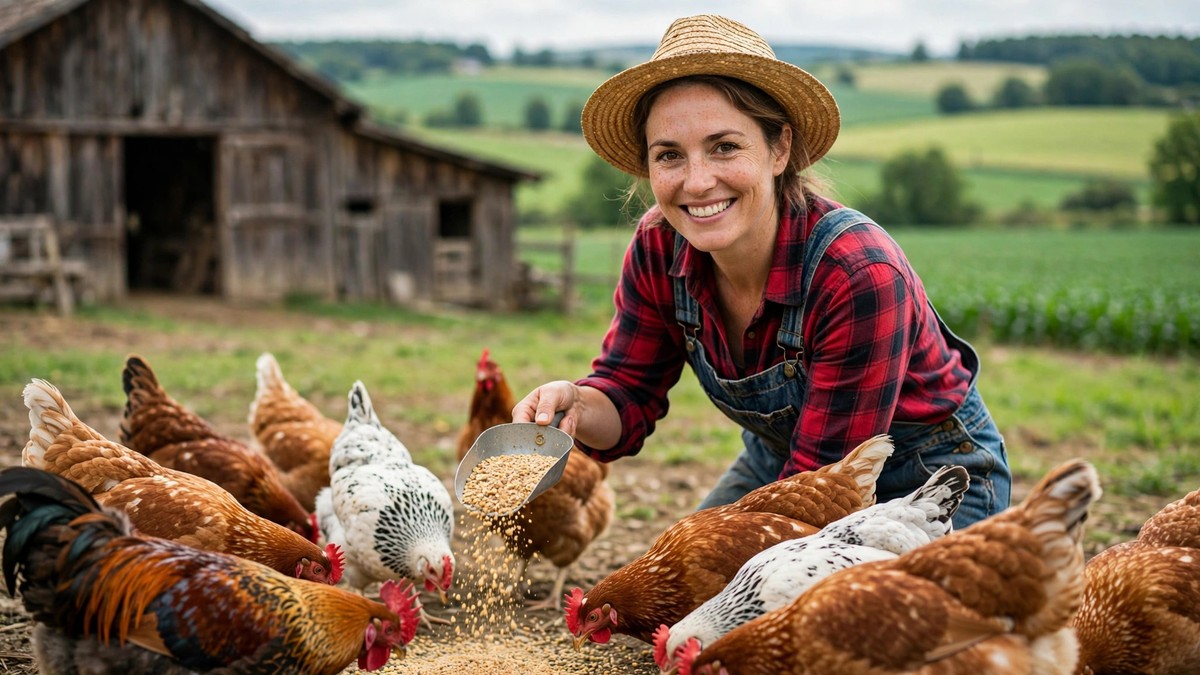
If you have ever imagined working on a farm in Europe, Latvia is probably not the first country that comes to mind, yet its fields, dairy barns and greenhouses employ thousands of people and quietly welcome workers from outside the European Union every year. Latvian agriculture is a mix of old and new: family farms that have worked the same land for generations, large dairy operations with modern milking parlours, grain farms that stretch across the flat Zemgale plain, and glasshouses near Riga growing cucumbers, tomatoes and herbs through the long northern winter. Some of these employers are willing to sponsor a work visa for a reliable worker, although sponsorship always depends on the employer, the job and whether you meet Latvia’s immigration requirements. It is never guaranteed, and anyone who tells you otherwise is not being honest.
Before you apply, it helps to understand how farming in Latvia actually works across the year, because the job changes completely with the season. A worker who arrives in April for spring planting will have a very different experience from someone who starts in October feeding cattle through the winter. This guide walks through the Latvian farming year, the kinds of farms that hire, the daily work, the living conditions on rural farms, approximate pay, and the practical steps for applying.
The farming year in Latvia: what changes month by month
Spring in Latvia arrives late by southern European standards. March is still cold, with frost at night and muddy fields during the thaw. By April, tractors are out preparing the soil, and planting begins for potatoes, barley, oats, wheat and vegetables. May is one of the busiest months on crop farms, with long days of sowing, fertilising and weeding. Workers who start in spring need to be ready for changeable weather: sunshine one hour, cold rain the next, and boots that are always muddy.
Summer brings the longest days of the year. In June and July, Latvia enjoys nearly eighteen hours of daylight, and farm work stretches to match it. Haymaking, strawberry picking, weeding vegetable rows and tending greenhouses fill the days. Berry farms, especially around the Riga region and in Kurzeme, hire extra pickers in June and July for strawberries, raspberries and currants. This is peak season work at its most intense, with early starts and weekend work common.
Autumn is harvest time. August and September see grain harvests, potato lifting, apple picking and vegetable harvests. Grain farms need drivers, combine helpers and store workers. Potato farms need people for sorting and bagging. Orchard work is gentler than grain harvesting but still involves ladders, baskets and long hours outdoors. By October, the pace slows, fields are ploughed for winter, and many seasonal crop workers finish their contracts.
Winter is the quiet season on crop farms but the busiest time in the dairy barn. Cattle stay indoors, and feeding, milking and cleaning continue twice a day, every day, including Christmas. Greenhouse work also continues through winter, with heated glasshouses producing cucumbers, tomatoes, lettuce and herbs for the Riga market. Workers who want year-round employment in Latvian agriculture usually end up in dairy or greenhouse work, while crop work is more often seasonal.
Understanding this calendar matters because it decides which jobs are available when you apply, how long a contract is likely to last, and whether the employer can offer work beyond one season. Ask every employer directly how many months the work lasts and what happens when the season ends.
The regions where farm work is found
Zemgale, the flat agricultural heartland south of Riga around Jelgava, Bauska and Dobele, is Latvia’s grain and dairy country. Large farms here grow wheat, barley, rapeseed and potatoes on wide open fields, and dairy herds are common. Work here is often on bigger, more mechanised farms where tractor driving and machine skills are valued.
Vidzeme, in the north-east around Valmiera, Cesis and Gulbene, has a mix of dairy, cattle, forestry and smaller mixed farms. The landscape is hillier and more forested, farms are often smaller, and the work can be more varied: one day feeding cattle, the next repairing a fence or helping with hay. English is less common here than in Riga, and a few words of Latvian go a long way.
Kurzeme, the western region around Liepaja, Kuldiga and Talsi, has coastal farms, berry growing and vegetable production, along with dairy. The climate is slightly milder because of the sea, but the wind is stronger. Farms here are often family-run, and workers live close to the farmhouse.
Latgale, in the south-east around Daugavpils, Rezekne and Kraslava, has smaller farms, potato growing and dairy. Russian is widely spoken in this region, which can help applicants who speak Russian. Living costs are the lowest in Latvia here, but wages also tend to be lower and transport links are thinner.
Around Riga itself, in places like Marupe, Kekava, Olaine and Salaspils, greenhouse complexes and vegetable farms supply the capital’s markets. These farms offer the easiest access to city life, shops and transport, and they often have the most structured employment, with proper contracts, regular hours and accommodation nearby.
Crop farms: potatoes, grain and vegetables
Potatoes are central to Latvian farming and Latvian cooking, and potato farms hire every year for planting in spring and lifting and sorting in autumn. Planting involves riding on a planter, checking that seed potatoes drop evenly, and clearing blockages. Harvest involves working behind a harvester, picking stones and damaged tubers, and sorting the crop into grades in a shed. It is muddy, physical work, and your hands and back will ache at first, but most workers adapt within a week or two.
Grain farms are more mechanised. During sowing and harvest, workers drive tractors, operate seed drills, help with combine harvesters, and work in grain stores drying and cleaning the crop. If you have experience driving tractors or farm machinery, say so clearly in your application, because grain farms pay a premium for it and may offer longer contracts. Even without machinery experience, there is work in grain stores: sweeping, bagging, loading lorries and checking moisture levels.
Vegetable farms grow cabbage, carrots, beets, onions, cucumbers and pumpkins. The work is hands-on: planting seedlings, weeding by hand or with a hoe, thinning rows, and harvesting by hand. Vegetable work suits people who are comfortable kneeling, bending and working outdoors for hours. Greenhouses are different again: warm, humid and sheltered from rain, with tasks like tying up tomato plants, pruning leaves, picking cucumbers and packing produce for supermarkets. Greenhouse workers often work in teams, and speed and care both matter because soft produce bruises easily.
Dairy and livestock: the year-round jobs
Dairy farming is the backbone of year-round farm employment in Latvia. A modern dairy farm might milk a hundred or several hundred cows twice a day, at around five in the morning and five in the evening. Milking parlour work involves bringing cows in, cleaning udders, attaching milking clusters, watching for problems, and cleaning the parlour afterwards. It is a routine that repeats every day without exception, and cows do not wait because it is a holiday.
Between milkings, dairy workers feed cattle, muck out barns, spread fresh bedding straw, check water troughs, and help with calving when a cow gives birth. Calving is one of the most skilled parts of the job: recognising when a cow is in labour, knowing when to call the farmer or vet, and handling a newborn calf gently. Workers with animal experience are highly valued, and farmers remember who stayed calm during a difficult calving.
Beef cattle, sheep and pig farms also hire, though less often than dairy. Sheep work is seasonal, peaking at lambing in spring and shearing in early summer. Pig farms are more industrial, with indoor units, feeding systems and strict hygiene and biosecurity rules: showering in, changing clothes, and never bringing outside food into the unit. Poultry farms, producing eggs and chicken meat, operate similarly, with shift work in large sheds.
Animal work is not for everyone. It involves smells, early mornings, heavy lifting and occasional danger from large animals. But for people who genuinely like animals, it is also the most rewarding farm work in Latvia, with the most stable year-round employment and the strongest chance of a longer contract.
Berry and orchard work: short seasons, fast pace
Latvia grows strawberries, raspberries, currants, gooseberries, blueberries and apples, and the picking season is short and intense. Strawberry picking typically runs from mid-June to mid-July, with work starting early in the morning when the berries are cool and firm. Pickers carry a tray or punnet, move along the rows on their knees or bent over, and pick only ripe berries without bruising them. Pay for picking is sometimes by the kilogram or by the tray, which means fast, careful pickers earn more, while slow pickers earn less. Ask how pay is calculated before you accept a picking job, and be honest with yourself about your speed.
Raspberry and currant picking follows in July and August. Apple orchards hire in September and October for picking, sorting and packing. Orchard ladders, picking bags and crates are the tools of the trade, and the work requires balance and care on ladders.
Berry and orchard jobs are almost always seasonal and often last only a few weeks. They suit people who want a short stay, students on break, or workers combining one harvest with another. They are rarely the right choice if you need a full year of work and a long visa, because the employer may not be able to sponsor a long permit for a six-week job.
A day on a Latvian farm
Farm days start early. On a dairy farm, the alarm goes off around four thirty, and milking begins before sunrise. On a crop farm in summer, work often starts at six or seven, with a break for breakfast after the first couple of hours. In winter, the start is later because of the dark, but the work is still there.
Meals are often taken together on smaller farms, with the farmer’s family or with fellow workers in a farmhouse kitchen. Latvian farm food is hearty: potatoes, pork, cabbage, rye bread, dairy products and seasonal vegetables. If you have dietary requirements, tell the farmer in advance, because rural shops may not stock everything you need.
The working day on a farm rarely ends at a fixed hour. When the hay needs bringing in before rain, or a cow is calving, the day extends. Latvian labour law still applies, and your contract should set out working hours and overtime, but farming has a rhythm of its own, and flexibility is expected. In return, quiet days exist too, especially in winter, when work finishes early and there is time to rest.
Weather shapes everything. Rain stops haymaking but not milking. Frost delays planting but not feeding. Workers learn to dress in layers, keep waterproofs and spare socks ready, and check the forecast each evening. Good boots are the single most important purchase for farm work in Latvia.
What farmers look for in a worker
Latvian farmers hiring from abroad usually want the same things: a person who is physically fit, willing to work outdoors in all weather, honest about their experience, and ready to stay for the whole season or contract. Age matters less than fitness and attitude. Previous farm experience is a real advantage, especially with animals or machinery, but many crop farms train beginners for planting, weeding and harvesting.
Language needs are modest on most farms. Farmers often speak some English or Russian, and daily instructions are practical and demonstrated rather than written. Learning the Latvian words for the tools, animals and tasks you handle every day will make your life much easier. Farmers notice and appreciate the effort, and it often leads to more responsibility.
Practical skills that improve your chances include tractor driving, milking experience, animal handling, welding, basic mechanics and cooking. A driving licence, even a basic one, is useful on farms where workers move between fields. Mention any of these clearly in your application, with honest detail about how much experience you have.
Health matters more on a farm than in an office. You will lift feed sacks, push wheelbarrows, carry crates and walk long distances over uneven ground. If you have back problems, allergies to hay or animals, or asthma that worsens with dust, think carefully about which farm roles suit you. Greenhouse work may suit someone who struggles with cold, while dairy work may not suit someone allergic to animals.
Pay and living on the farm: approximate figures
Farm pay in Latvia varies widely by the type of farm, the season and how pay is calculated. As a rough approximate guide only, general farm workers on a monthly contract often earn in the region of 700 to 1,100 euros per month before tax, with food and accommodation sometimes included or partly included. Dairy workers and tractor drivers, whose work is skilled and year-round, often earn more, roughly in the region of 1,000 to 1,500 euros per month before tax. Piece-rate picking work varies too much to give a single range: earnings depend on speed, the crop and the weather. These are approximate ranges only, not guarantees, and the real figure is whatever your written contract says. Always confirm whether pay is monthly or piece-rate, what is deducted for food and housing, and when you are paid.
Accommodation on farms is often a room in a farmhouse, a converted building, or a small house shared with other workers. It is usually simple but warm, with a kitchen, bathroom and heating. Some farms include accommodation and meals in the job, which makes a lower cash wage go much further. Others pay a higher wage and expect you to rent nearby. Ask for photos of the accommodation and a clear statement of what is included before you travel.
Living costs in rural Latvia are lower than in Riga. A monthly food shop for one person cooking at home is roughly in the range of 180 to 280 euros. Transport is the main difficulty: buses in rural areas are infrequent, and many farms are several kilometres from the nearest shop. Some farmers provide a lift to town once a week for shopping, and some workers buy a cheap bicycle. A car is rarely necessary but very useful if you stay long term.
The visa and work permit route
Workers from outside the European Union normally need a visa or temporary residence permit with the right to work in Latvia, based on a genuine job offer. The farmer or farm company usually begins the process on the Latvian side, and you then apply at a Latvian embassy or consulate or through the migration authorities. Documents, fees and waiting times vary and change, so check the current official requirements rather than relying on second-hand information.
Sponsorship depends on the employer and the authorities. A small family farm may not have experience sponsoring foreign workers and may need help from an agency or advisor. A larger farm or agricultural company is more likely to have done it before. Seasonal work may lead to a shorter permit, while a year-round dairy job may support a longer one. None of this can be promised in advance, and no payment to a middleman can guarantee approval.
Never travel to Latvia on a tourist visa with the intention of working. It is illegal, it can lead to removal and a future ban, and it leaves you without legal protection if the employer treats you badly. Legal work means a proper contract, registration, tax and health coverage, and that protection is worth waiting for.
How to apply for farm work in Latvia
Begin with real farms and real vacancies. Latvian job portals, agricultural recruitment agencies with verifiable addresses, and the State Employment Agency list farm vacancies. Some larger dairy and greenhouse companies advertise directly on their own websites. Be cautious of social media posts that promise farm jobs with no farm name, no location and no contact details.
Write a short CV in English that focuses on practical experience. List any farm work, animal care, machine driving, construction or outdoor work you have done, with dates and a line about what you actually did. Mention languages, driving licences and any health conditions that affect the work you can do. Farmers prefer honest, specific CVs over long, vague ones.
When a farmer replies, expect a phone or video call. They will ask about your experience with animals or machinery, whether you can work weekends, whether you can handle early mornings, and how long you can stay. Ask your own questions in return: what the daily hours are, what the accommodation looks like, whether food is included, how pay is calculated, and how long the contract lasts. A farmer who answers clearly is usually a good employer. A farmer or agent who avoids these questions is a warning sign.
Before you accept, ask for the written contract and read it, or have someone you trust read it with you. Check the job title, the pay, the hours, the length of the contract, the probation period, the notice period, and what happens if the work permit is refused. Do not resign from a current job or buy a plane ticket until the permit process is under way and the contract is signed.
Staying safe and making the season count
Farm work carries real risks: machinery, large animals, ladders, heat in greenhouses and cold outdoors. Always use the protective equipment provided, never operate a machine you have not been trained on, and tell the farmer immediately if equipment is faulty or an animal is behaving dangerously. Latvian farms are generally safe when rules are followed, but cutting corners causes most accidents.
Keep your documents safe and keep copies. Register your address as required, keep your employment contract, and keep a record of hours worked and pay received. If something goes wrong, these records matter. If you are treated badly, you can contact the State Labour Inspectorate or seek advice from a migrant support organisation.
Workers who do well on Latvian farms are usually those who treat the season as a serious job rather than a holiday. They arrive on time, they learn the routine quickly, they look after the animals and the equipment, and they stay to the end of the contract. Farmers remember reliable workers and invite them back the next year, often with better pay and a longer contract. That returning-worker relationship is one of the most reliable paths to steady farm work in Latvia.
Questions people ask before applying
Do I need previous farm experience to work on a Latvian farm? Not always. Crop farms, vegetable farms and berry picking often train beginners, while dairy farms, tractor driving and animal care roles usually prefer people with experience. Apply for the roles that match your background, and be honest about what you have and have not done.
Can farm work in Latvia lead to year-round employment? Yes, mainly through dairy, greenhouse and pig or poultry work, which continue all year. Crop and picking work is usually seasonal and lasts a few weeks or months. If you want to stay longer, ask employers about winter work before you accept a summer-only contract.
What is the accommodation like on a farm? It varies from a room in the farmhouse to a shared house for workers. Most farm accommodation is simple, warm and functional rather than luxurious. Ask for photos, ask how many people share, and confirm what is included in the price or in the job package before you travel.
Is it true that pickers are paid by the kilogram? On some berry and fruit farms, yes. Piece-rate pay rewards speed and care, but earnings vary with the crop and the weather. Other farms pay an hourly or monthly wage. Always confirm the pay method in writing, and be careful with offers that quote only the earnings of the fastest picker. For a closer look at a similar route, see our guide to poultry farm worker jobs in Canada.
How do I get to a rural farm without a car? Many farms collect workers from the nearest town or bus station on arrival day. Afterwards, farmers often provide a weekly lift to the shops, and bicycles cover shorter distances. Before accepting a job in a remote area, ask how you will reach shops, a doctor and the bus stop, and whether the farmer helps with transport. If that route does not suit you, our guide to factory worker jobs in Latvia covers a similar option.